

Introduction
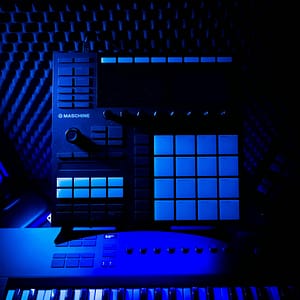
Music technology has been transforming the way we create, consume and interact with music over recent decades. From the development of digital audio workstations (DAWs) and virtual instruments in the early 1980s to today’s cutting-edge AI-powered music generation tools, the field has seen immense growth and innovation.
In this article, we’ll explore some key aspects of music technology including its history, applications, skills and knowledge required to work in the field, job roles and industries. We’ll also examine some of the most exciting emerging trends that are set to shape the future of music technology.
The History of Music Technology Music technology has a rich and varied history that spans many centuries. Early examples include mechanical instruments such as player pianos and music boxes which used complex systems of levers, cams and gears to play back pre-recorded musical compositions.
In the late 19th century, the invention of the phonograph by Thomas Edison enabled people to record and playback human voices and other sounds using a rotating cylinder covered in tinfoil. This was followed by the development of flat disc records such as vinyl LPs, cassettes, and CDs which allowed for mass production and distribution of recorded music.
In the 20th century, advances in electronics led to the creation of electronic musical instruments like the electric guitar, synthesizer and drum machine which could produce a wide range of timbres and sounds that were previously impossible to achieve with acoustic instruments. Digital signal processing techniques such as filtering, amplification, compression, equalization etc., were also developed during this time period.
The rise of personal computers in the 1970s and 1980s further accelerated the pace of change in music technology by providing a platform for the development of software applications that could be used to edit, manipulate and enhance audio content. This led to the emergence of DAWs like Pro Tools which became widely adopted across professional studios.
Modern Music Technology Today’s music technology landscape is characterized by an incredible array of hardware and software tools that offer unprecedented levels of flexibility, creative expression and productivity for musicians, producers and sound engineers working in a variety of genres and styles.
Some of the most exciting developments in modern music technology include:
- AI-powered music generation: Machine learning algorithms are now being used to generate original musical compositions based on patterns and structures identified within large datasets of existing music. This has opened up new possibilities for music creation that were previously unimaginable.
- Virtual and augmented reality: Immersive audio technologies such as VR and AR headsets are providing entirely new ways for people to experience and interact with music in virtual environments that are indistinguishable from real life.
- Online music platforms: The rise of streaming services like Spotify, Apple Music, Tidal etc., has fundamentally changed the way we discover, purchase and listen to music today.
- DIY recording studios: Advances in digital technology have made it possible for artists to produce high-quality recordings using relatively inexpensive home studio setup.
- Live sound reinforcement systems: Modern PA speakers, mixing consoles, effects processors and other live sound equipment are enabling musicians to deliver more engaging and immersive performances than ever before.
Skills and Knowledge Required
To work effectively in the field of music technology requires a diverse set of skills and knowledge that spans both technical and creative domains. Some key areas include:
- Familiarity with digital audio workstation (DAW) software such as Ableton Live, Logic Pro, Cubase, Pro Tools, etc. is essential for most roles within this field.
- Programming languages like C++, Java, Python, etc., are used extensively throughout music technology in everything from DAWs and effects plugins to mobile apps and web-based music platforms.
- Mathematics and physics provide the foundation for many technical concepts in audio signal processing such as Fourier analysis, convolution, filtering, amplification etc.
- Music theory is highly beneficial for any role that involves composition, arrangement or production of original musical content.
- Knowledge of psychoacoustics and human hearing perception is important for designing effective audio systems and ensuring that they sound good to human listeners in a variety of different acoustic environments.
Job Roles and Industries
There are many different job roles within the field of music technology that vary widely depending on factors such as industry, company size, location etc. Some common examples include:
- Audio engineer: Responsible for setting up, operating and maintaining audio equipment such as microphones, consoles, speakers, amplifiers etc., in professional recording studios, live venues, film and television production facilities, and more.
- Music producer: Oversees all aspects of the music production process from conception through to final mastering. This typically involves working closely with artists to develop their creative vision, selecting and hiring session musicians and vocalists, choosing instruments and equipment, directing rehearsals, recording tracks, programming drum machines or synthesizers, mixing and balancing levels, adding effects and processing techniques, creating arrangements and editing together individual parts into a cohesive final track. Music producers also often have significant input regarding the visual elements associated with music such as album artwork cover photography etc.
- DJ: Uses turntables, CD players, controllers, software applications like Serato Scratch Live or Traktor Pro etc., to mix songs together seamlessly by matching tempo beats and pitch using manual beatmatching techniques, digital effects processors like reverb delay echo distortion etc.. DJs often create unique remix versions of popular tracks by manipulating different elements such as drum breaks basslines melodies hooks etc., adding their own samples loops sounds textures rhythms grooves vibes styles flavors dimensions colors shapes patterns silhouettes outlines borders frames boundaries limits edges peripheries horizons infinitudes voids chasms abysses
- Sound designer: Creates original sound effects for film, television, video games, commercials, theme parks etc., using a variety of techniques such as field recording, manipulation of existing audio elements, or even creating entirely new sounds from scratch using electronic devices like synthesizers drum machines sequencers etc. Sound designers must have strong creative skills combined with technical knowledge of audio hardware software and acoustics.
- Composer: Writes original musical compositions for film, television, video games, commercials, classical music ensembles etc.. This involves developing ideas for melodies rhythms harmonies counterpoint textures timbres colors moods atmosphere dynamics contrast progression development resolution form structure theme motif variation unity diversity repetition pattern change surprise anticipation expectation climax denouement resolution. Composers often collaborate closely with directors producers screenwriters script supervisors editors cinematographers visual effects artists to ensure that their music complements the visual elements of a production.
- Arranger: Transcribes and adapts existing musical compositions for different ensembles instruments or styles than those originally intended by composer(s) responsible for creating piece(s). This requires strong musicality understanding harmony counterpoint rhythm form structure melody bassline chord progression bridge etc.. Arrangers may need to adjust tempo dynamics articulation phrasing expression interpretation etc., depending upon specific requirements of production. They also frequently have significant input regarding orchestration instrumentation balance texture timbre color etc…
Summary
Music technology is a fascinating and rapidly evolving field that has revolutionized the way we create, consume and interact with music. From early mechanical instruments to modern AI-powered music generation tools, this story spans many centuries. Today’s musicians, producers, sound designers, composers and arrangers have access to an incredible array of hardware and software technologies that enable them to create more sophisticated, expressive, immersive audio content than ever before.
As technology continues to advance at breakneck speed, we can expect even greater innovations in music tech going forward. This could include further integration with emerging areas such as virtual reality (VR), augmented reality (AR), artificial intelligence (AI) and the Internet of Things (IoT). There are also many exciting new business models and revenue streams opening up for artists, labels, streaming services etc., thanks to technologies like blockchain-based music distribution platforms. All in all, the future looks bright indeed for those working within this dynamic and endlessly fascinating field.